Top-Ranked Chinese Netflix Series Divides Viewers at Home
Chinese romantic drama “The Early Spring,” an adaptation of a 2021 web novel, has become the highest-ranked Chinese series on streaming giant Netflix’s weekly non-English TV chart. However, the show has divided domestic viewers over whether it romanticizes an unhealthy power imbalance between its protagonists: a male boss and his female subordinate.
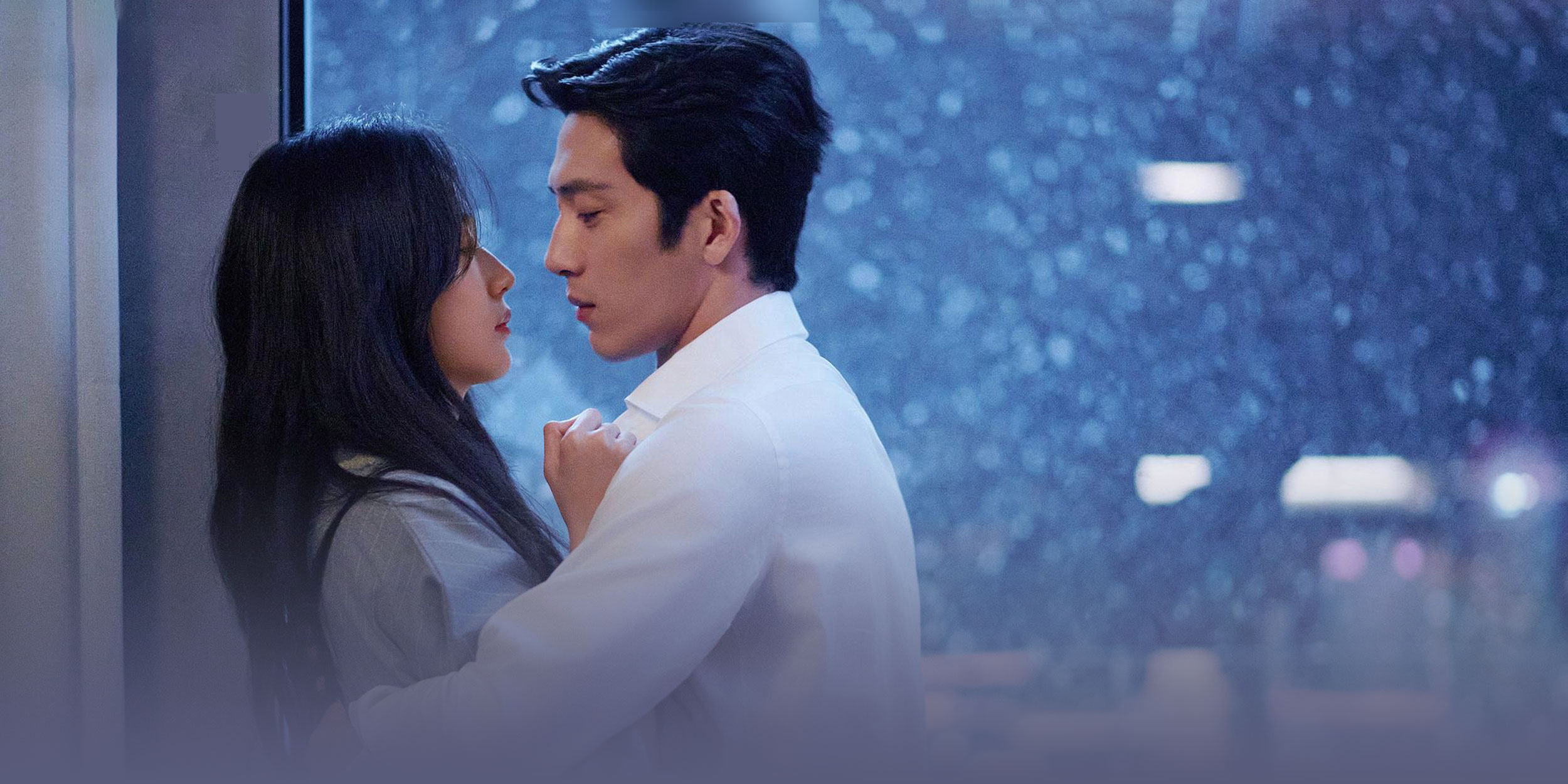
The TV series, which premiered Aug. 26 on both Netflix and Chinese streaming platform Youku, follows the workplace romance between demanding advertising agency corporate executive Luan “Luke” Nian, played by Jing Boran, and 22-year-old newcomer Shang “Flora” Zhitao, played by Sun Qian.
After a drunken encounter, the two begin a secret relationship. Over time, Shang advances in her career, while Luan’s harsh and arrogant demeanor softens.
“The Early Spring” ranked No. 2 on Netflix’s global weekly chart for non-English TV series from Aug. 24 to 30, garnering 2.4 million views. The series also made Netflix’s weekly Top 10 in 22 markets, including Indonesia, Malaysia, and Brazil, and ranked No. 1 in Thailand and Vietnam.
In China, the series recorded 547 million views and topped domestic entertainment data platform Maoyan’s weekly popularity ranking on Sept. 7.
Many domestic social media users praised the chemistry and sexual tension between the two leads — developed with the help of an intimacy coordinator, a role still relatively uncommon in Chinese television, according to the show’s producers.
Liu, a viewer in her 30s who works in the arts in Shanghai, said that the show’s appeal lies in its escapism via a “straightforward” romance.
“It’s simply: I like you, so I like you,” Liu told Sixth Tone, in reference to the show’s driving sentiment. “Physical attraction is unavoidable.” Unlike many Chinese romance dramas that typically withhold physical intimacy between their leads, she added, “The Early Spring” brings Luan and Shang together almost immediately.
Liu also praised the 24-episode TV adaptation for bringing more warmth to its relationships. She said that compared with the original work, published under the pen name Guniang Bieku on the literature platform Jinjiang, the TV series more clearly establishes Luan and Shang as two people in love rather than primarily a sexual relationship. It also fleshes out Shang’s friendships, giving her a stronger support network.
Critics, however, have questioned whether Luan exploits his workplace authority to pursue Shang, pointing to scenes where he belittles her professional abilities. For example, when he suspects she is considering another job, he describes her as “cheap” and “obedient.”
Xu Xin, a 29-year-old media professional based in Beijing, said she agreed with much of the criticism, particularly over the couple’s first sexual encounter. “Imagine this happening in real life: a young woman fresh out of college gets drunk, and her sober male supervisor takes her home and has sex with her. That’s problematic,” she told Sixth Tone. “Even if they are attracted to each other, did it have to happen that night, when she was drunk?”
“It feels like a female fantasy,” she added. “In male-oriented fantasies, the protagonist turns his life around by becoming rich or powerful. Here, the fantasy is that a woman starts invisible, works her way up and becomes ‘better’ — and then the man comes back for her.”
For her, the series also reflects how messy real relationships can be. “People aren’t always rational, nor can they always live up to their own feminist ideals.”
The power-dynamic debate has extended to the web novel the series is based on. In it, after Shang quits her job and starts her own business, she initially decides to hire only men. The TV adaptation omits this plotline, which some had previously criticized as “discriminatory.”
Two prominent female influencers — Zhan Qingyun and Pang Ying, who are known for discussing gender equality issues in China — have also faced criticism after promoting the show.
In a Sept. 6 video posted on domestic lifestyle platform Xiaohongshu, the two discussed the show, arguing that a good relationship “does not require two people to be perfect from the beginning” but can involve “two imperfect people growing together.” The video was later taken down.
Editor: Marianne Gunnarsson.
(Header image: A still from “The Early Spring.” From Douban)